
Chevrolet
Used Chevrolet for Sale in Phoenix
Chevrolet has built some of the most iconic American performance cars ever produced, and Arizona Elite Motors stocks them regularly - from entry-level Corvette C5s to supercharged ZL1 Camaros. Whether you're after a weekend canyon carver or a track-day weapon, Chevy's performance lineup offers a proven platform for both stock ownership and serious builds.
10 vehicles
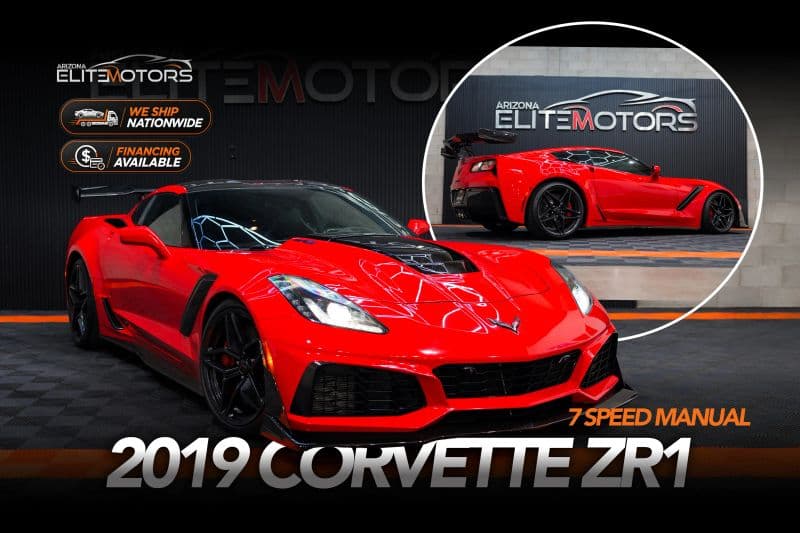

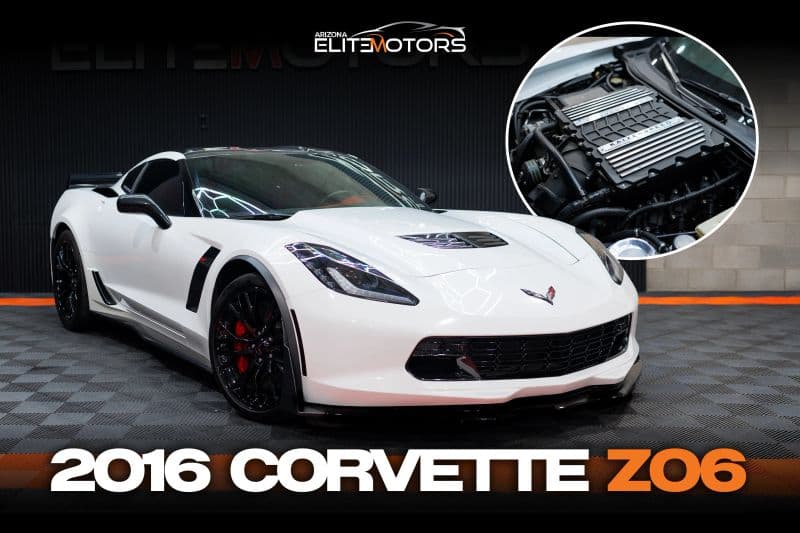
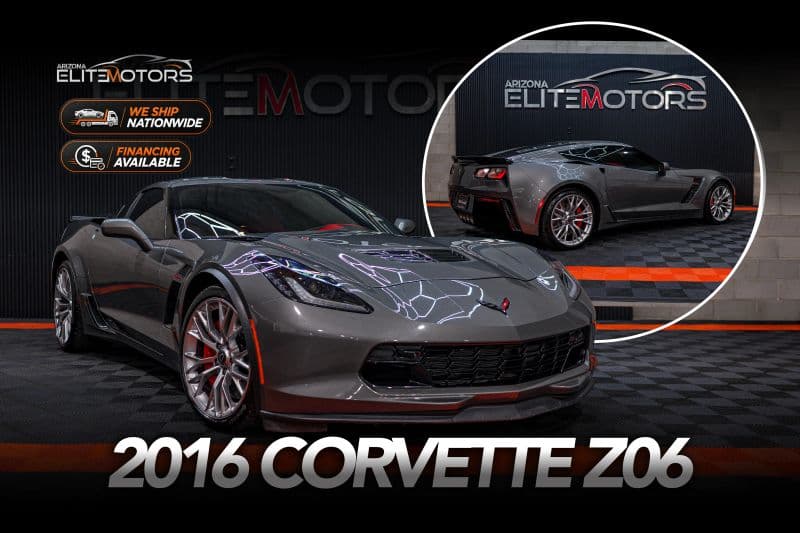
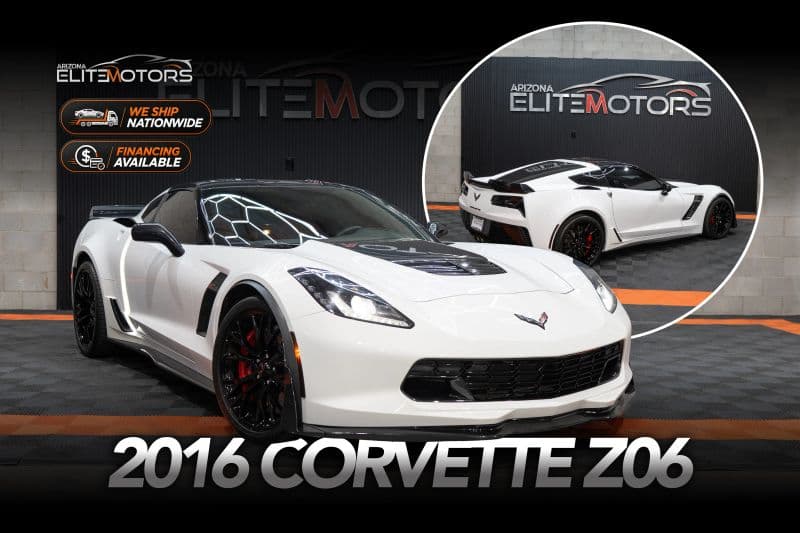
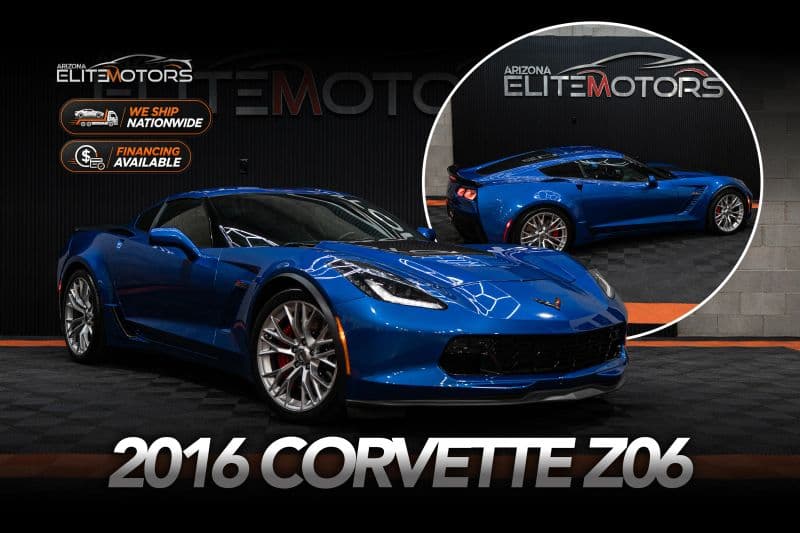
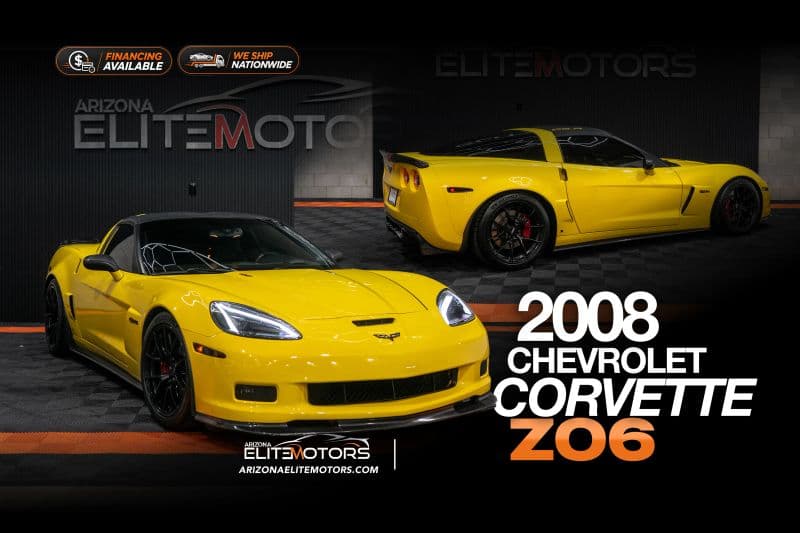
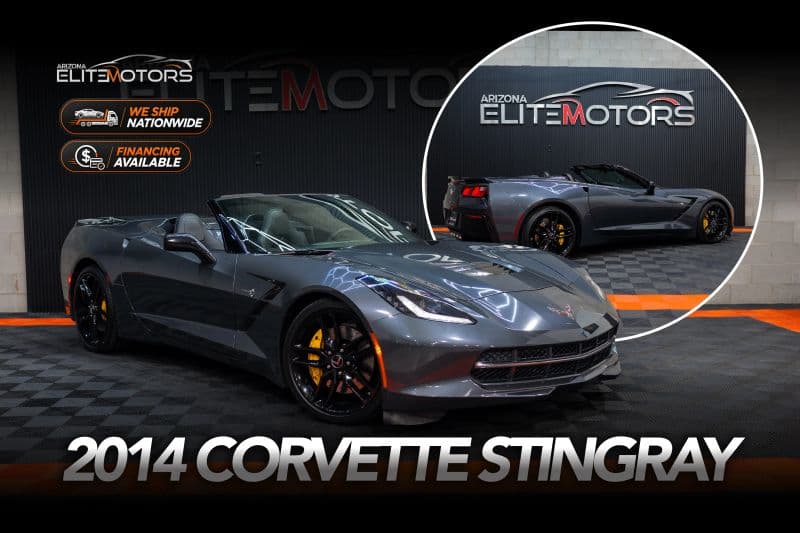
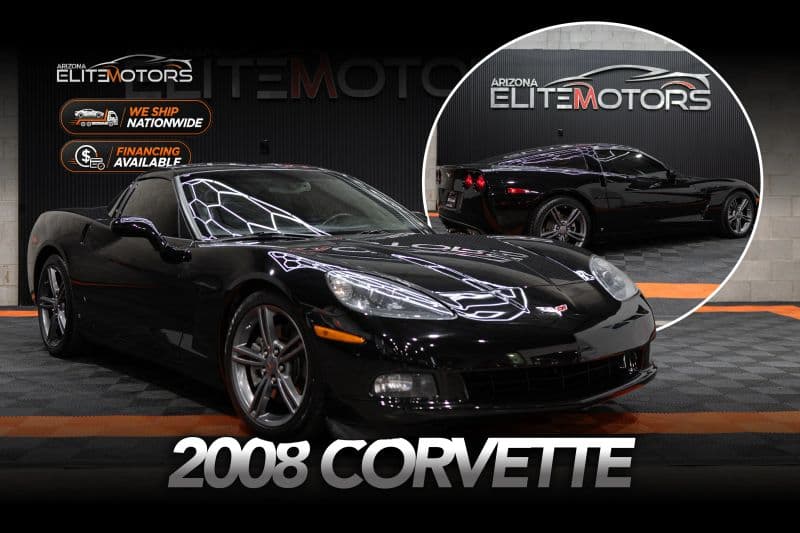
Related Categories
Model Guides
Chevrolet Buying Guide by Generation
Our team has driven, sold, and modified these cars extensively. Here is what we know about each generation - the character, what to look for when buying used, and how each platform responds to modifications.
Chevrolet Corvette
Browse Corvetteinventory →The Corvette is America's sports car in the truest sense - decades of continuous development have produced a lineup that punches well above its price in every generation. From the raw, communicative C5 to the mid-engine C8 supercar, each generation represents a distinct engineering philosophy with a massive enthusiast community and aftermarket behind it. Arizona Elite Motors carries Corvettes across all generations, and our team can walk you through which generation fits your driving goals and budget.
C5
1997-2004- Engine
- 5.7L LS1 V8 (base/Z06 base), 5.7L LS6 V8 (Z06)
- Horsepower
- 345-405 hp
- Pre-Owned Price
- $12,000-$28,000
Character
The C5 is the definitive driver's Corvette for the money - it stripped away the excess of the C4 era and delivered a lightweight, balanced sports car that genuinely competes with European machinery at a fraction of the price. The LS1 engine is famously unbreakable and eager to rev, and the torque tube rear suspension setup gives the car a mechanical directness that modern Corvettes have somewhat traded for refinement. Z06 variants are particularly special - the LS6 makes 405 hp from the factory and weighs under 3,100 lbs, producing a power-to-weight ratio that still embarrasses most modern sports cars.
What to Look For
The steering column intermediate shaft lock mechanism can seize on high-mileage examples - it's a known wear item and not expensive to fix, but pull the wheel through full lock during the test drive and listen for clunks. Harmonic balancer failure is another C5 classic - inspect the balancer for wobble or separation, especially on cars with aggressive driving history. Rear differential leaks are common on used examples, and while not catastrophic, it's worth checking the differential housing for seepage and asking about service history.
Modification Notes
The LS platform in the C5 is one of the most well-supported engines in aftermarket history, which means the modification ceiling here is essentially unlimited. A cam swap, long-tube headers, and tune on a C5 base car regularly produces 430-460 rwhp with excellent street manners intact - these parts cost $2,000-3,000 installed and transform the car. Forced induction via a Magnuson or Procharger kit pushes stock-block C5s to 600+ rwhp reliably, and the lightweight chassis means even modest power gains have dramatic effects on lap times.
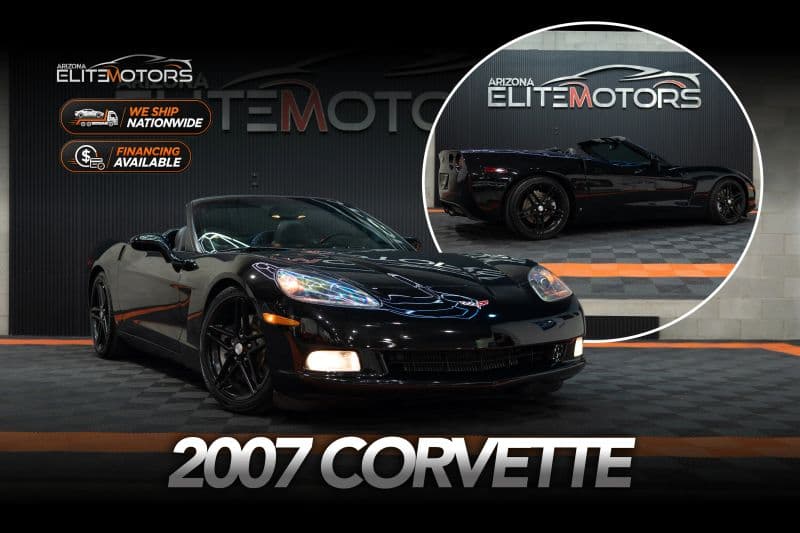
C6
2005-2013- Engine
- 6.0L LS2 / 6.2L LS3 V8 (base), 7.0L LS7 V8 (Z06), 6.2L LS9 supercharged V8 (ZR1)
- Horsepower
- 400-638 hp
- Pre-Owned Price
- $18,000-$65,000
Character
The C6 took everything that made the C5 great and wrapped it in a more refined package - sharper exterior design, a significantly improved interior, and more power across every trim level. The base LS3 Stingray is a genuinely fast grand tourer that handles daily driving with ease while remaining entertaining on a back road, but the Z06 is where the C6 really earns its legend. That 7.0L LS7 is one of the greatest naturally aspirated V8s ever built - 505 hp, a screaming 7,100 rpm redline, and a dry-sump oiling system that means the car can pull sustained high-g cornering without oil starvation.
What to Look For
LS7-equipped Z06s have a well-documented valve guide wear issue on pre-2008 examples - it presents as oil consumption and blue smoke on startup, and while it's repairable, it's a significant job. Have any pre-2008 Z06 compression tested and watch for smoke during a cold start before committing to purchase. Weatherstripping on the C6 coupe degrades with age and Phoenix heat accelerates that timeline - expect to budget for new seals on high-mileage cars and listen for wind noise at highway speeds.
Modification Notes
The C6 Z06 is one of the most popular supercharger platforms in the country - a bolt-on Procharger or Magnuson kit pushing the LS7 makes for an absolutely devastating street car that routinely runs 10-second quarter miles while remaining fully streetable. Base C6 cars with the LS3 respond well to cam upgrades, headers, and E85 tunes, which push them into Z06 power territory at a fraction of the cost. The aftermarket for C6 suspension, brakes, and aero is mature and well-priced, making it easy to build a capable track car around the already-solid factory chassis.
C7
2014-2019- Engine
- 6.2L LT1 V8 (Stingray), 6.2L LT4 supercharged V8 (Z06), 6.2L LT5 supercharged V8 (ZR1)
- Horsepower
- 455-755 hp
- Pre-Owned Price
- $35,000-$120,000
Character
The C7 is the last front-engine Corvette before GM's mid-engine pivot, and Chevrolet clearly knew it - every trim level represents the absolute peak of what they could achieve with that layout. The Stingray's LT1 makes 455 hp in a car under 3,300 lbs, giving it performance that embarrasses nearly everything on the road while the magnetic ride control suspension handles both track duties and daily commutes. The C7 Z06 with the LT4 supercharged engine producing 650 hp is arguably the most capable performance value Chevrolet has ever offered, sitting between a base Porsche GT3 and a 911 Turbo S in real-world performance while costing a fraction of either.
What to Look For
The 8-speed automatic transmission has a known torque converter shudder issue on some examples - it presents as a low-speed vibration between 30-50 mph and is addressed under a technical service bulletin, but verify it's been completed on any automatic car. Magnetic Ride Control dampers are expensive to replace as a set ($2,000-4,000), so push each corner of the car during the test drive and feel for inconsistent damping or clunking - they do wear and a full replacement will be on the buyer. Z06 examples with high track use may have cooling-related wear, since the C7 Z06 has known heat management challenges that sustained circuit driving can amplify.
Modification Notes
Stingray owners have a predictable and effective modification path - a pulley reduction on the supercharger accessory drive, cam upgrade, and tune regularly yields 520-540 rwhp with the LT1 and all the reliability of a stock engine. Z06 owners frequently install upgraded heat exchangers and a lower pulley to manage heat and push power output past 750 rwhp on stock internals with E85 - it's one of the most cost-effective ways to build a genuine supercar killer. The C7's chassis is well-supported by aftermarket suspension suppliers, and proper coilovers plus alignment turn an already capable car into something approaching purpose-built track machinery.
C8
2020-present- Engine
- 6.2L LT2 V8 mid-engine (Stingray), 5.5L LT6 flat-plane V8 (Z06)
- Horsepower
- 490-670 hp
- Pre-Owned Price
- $55,000-$130,000
Character
The C8 is a genuine paradigm shift - GM moved the engine behind the driver and produced a car with mid-engine handling balance at a price that makes Italian and German supercar owners deeply uncomfortable. The base Stingray's LT2 makes 490 hp and posts 0-60 times in the mid-2-second range with the Z51 package, outperforming the previous-generation Z06 at a lower price point. The C8 Z06 is something else entirely - a 5.5L flat-plane crank V8 spinning to 8,600 rpm, 670 hp, and an exhaust note that borders on theatrical, all packaged in a car that everyday drivers can manage without a racing background.
What to Look For
Early 2020 production cars had more variable build quality than later examples - minor fit and finish issues are more common on first-year cars, and it's worth inspecting panel gaps and interior trim on 2020 models specifically. The frunk latch mechanism had early service bulletins across several model years - ask whether any frunk-related TSBs have been completed. DCT clutch wear is emerging as a watch item on high-mileage and track-driven examples, and while the transmission is robust in normal use, cars with documented circuit days should have transmission fluid inspected.
Modification Notes
The C8 aftermarket is still maturing compared to previous generations but is developing rapidly, and current bolt-on modifications are already delivering impressive results. A pulley, cold air intake, and E85 tune on the base Stingray LT2 reliably produces 50-70 additional rwhp with full streetability intact. The C8 Z06's flat-plane LT6 responds less dramatically to forced induction than pushrod engines but has proven receptive to intake and exhaust work, and the modification ecosystem is expanding month by month - buyers today are getting in early on a platform with enormous long-term tuning potential.
Chevrolet Camaro
Browse Camaroinventory →The Camaro has always been Chevrolet's answer to the Mustang, and the fifth and sixth generation cars represent the best the nameplate has ever offered - particularly the ZL1 variants that deliver supercar-level performance with a full back seat. The 6th gen Camaro's chassis development is especially impressive, producing a car that genuinely competes with purpose-built track machines at a production car price. Arizona Elite Motors regularly carries both SS and ZL1 examples, and the Camaro's massive aftermarket makes any build level achievable.
5th Gen
2010-2015- Engine
- 6.2L LS3 V8 (SS), 6.2L LSA supercharged V8 (ZL1)
- Horsepower
- 426-580 hp
- Pre-Owned Price
- $18,000-$45,000
Character
The 5th gen Camaro brought the nameplate back with genuine muscle car presence and performance to match - the SS with the LS3 makes 426 hp and sounds like nothing else on the road. It's a heavier car than its Mustang rival, sitting around 3,900 lbs, which is noticeable in tight corner sequences but adds to the planted, confident feel at highway speeds. The ZL1 with the LSA supercharged engine is the real headline - 580 hp from the factory, a Brembo brake package, and Magnetic Ride Control suspension that made it one of the fastest production cars around the Nurburgring when it launched.
What to Look For
The 5th gen's most significant practical compromise is its outward visibility - the thick rear pillars create substantial blind spots that take adjustment, and it's worth doing a proper check of all sightlines before committing. The heavy curb weight relative to the competition means brake wear on driven examples can be more pronounced, so inspect pad thickness and rotor condition carefully on anything with high mileage or track history. Rust on the subframe is worth checking on cars from northern states before they migrated to Phoenix - inspect the underside if you can't verify the car's geographic history.
Modification Notes
The LS3 in the 5th gen SS is the same engine that powered the C6 Corvette and carries the full weight of the LS aftermarket behind it - cam swaps, headers, and a tune deliver 480-520 rwhp with excellent street manners. Pulley reductions on the ZL1's LSA supercharger are the most popular first modification - a smaller pulley plus tune adds 60-80 hp immediately and sets the foundation for further supporting work. Headers, a higher-flow air intake, and E85 conversion on the ZL1 push output past 650 rwhp on the stock shortblock, which remains a strong value relative to modern supercar alternatives.
6th Gen
2016-2024- Engine
- 6.2L LT1 V8 (SS), 6.2L LT4 supercharged V8 (ZL1)
- Horsepower
- 455-650 hp
- Pre-Owned Price
- $28,000-$70,000
Character
The 6th gen Camaro is a fundamentally different car from its predecessor - on the Alpha platform shared with the ATS, it's 300 lbs lighter and dramatically more responsive in corners, producing a driving experience that finally matches the Camaro's visual aggression. The SS with the LT1 and 1LE track package is a serious autocross and road course contender straight from the factory, with Recaro seats, aggressive alignment, and stickier tires transforming an already capable car. The ZL1 with the LT4 supercharged engine represents the absolute peak - 650 hp, a 10-speed automatic or 6-speed manual, and magnetic ride control suspension that adjusts 1,000 times per second for a car that's both fast in a straight line and genuinely sorted in corners.
What to Look For
The rear seat in the 6th gen Camaro is largely symbolic for adults - if you genuinely need rear passenger space, this car will disappoint, and it's better to set that expectation during the buying process. Some ZL1 examples developed supercharger inlet lid issues - a minor but annoying rattle from the intake assembly that developed on certain production runs and was addressed under warranty. Cars with the 10-speed automatic should be test driven in normal traffic conditions to verify smooth shifts, as some examples exhibit hesitation or harsh downshifts that can be addressed with a transmission calibration update.
Modification Notes
The 6th gen ZL1 is one of the most rewarding supercharger platforms available - a pulley swap, upgraded intercooler, and E85 tune routinely delivers 700-750 rwhp on the stock LT4, transforming an already impressive car into something that runs with purpose-built race machinery. SS owners with the 1LE package frequently pursue suspension upgrades and brake work first, since the chassis is capable enough to extract more from additional power - a cam, headers, and tune on the LT1 puts the SS within range of stock ZL1 performance at a significant cost savings. The 6th gen's European-influenced chassis also responds well to track-focused alignment work and coilover upgrades, making it one of the most buildable American performance platforms currently available.
FAQ
Frequently Asked Questions
What is the best Corvette generation to buy as a first performance car?
The C5 (1997-2004) is widely considered the best entry point - lightweight, rear-wheel drive, and powered by the legendary LS platform that responds extremely well to modifications. A clean C5 coupe can be had for under $20,000 and will outperform cars costing twice as much. If budget allows, the C6 Z06 with its 7.0L LS7 is one of the greatest naturally aspirated performance bargains available today.
Is the 6th gen Camaro SS worth buying over the 5th gen?
For most buyers, yes - the 6th gen (2016+) is a genuinely better car in almost every way. The LT1-powered SS is lighter, handles more sharply, and the 1LE track package turns it into a legitimate autocross and road course contender. The ZL1 with the LT4 supercharged engine is one of the most capable production cars Chevrolet has ever built at any price. The 5th gen still has its fans for the classic looks and LSA availability in the ZL1, but the 6th gen wins on driving dynamics.